Scoliosis Evaluation and Conservative Care in Murray, Utah
Being told that you or your child has scoliosis can create a lot of questions. How serious is the curve? Is it getting worse? Will it cause pain? Does it need treatment now, or should it simply be watched?
Scoliosis is more than a sideways curve. The spine can also rotate and shift, affecting the shoulders, rib cage, pelvis, posture, and overall balance. A small, stable curve in an adult is different from a curve that is progressing while a child is growing. That is why recommendations should not be based on the Cobb angle alone.
At Comprehensive Chiropractic Clinic, Dr. Dirk Woodmansee considers the whole picture: the type and location of the curve, age and growth, posture, symptoms, movement, balance, previous imaging, and whether the curve appears stable or progressive.
What Is Scoliosis?
Scoliosis is generally diagnosed when a standing spinal X-ray demonstrates a Cobb angle of 10 degrees or more. However, the Cobb angle is only one part of a complete evaluation.
A clinically useful assessment may also consider:
- The location and direction of the curve
- Spinal rotation and rib prominence
- Shoulder, trunk, and pelvic balance
- Alignment when viewed from the side
- Whether the patient is still growing
- Evidence of curve progression
- Pain, stiffness, weakness, numbness, or changes in function
- Previous treatment, bracing, injury, or surgery
Some people have a small, stable curve that needs monitoring but does not require active treatment. Others have pain, postural imbalance, progression, or a curve that deserves bracing or evaluation by a spine specialist. The details matter.
Adolescent and Adult Scoliosis Are Not the Same
Adolescent idiopathic scoliosis
Adolescent idiopathic scoliosis typically appears during the growing years without a single identifiable cause. Growth remaining, curve magnitude, curve pattern, skeletal maturity, and documented progression are important considerations.
Observation can be appropriate for a small, stable curve. During a growth spurt, however, thoughtful follow-up is important. A moderate or progressing curve may need bracing and evaluation by a pediatric orthopedic or scoliosis specialist.
Adult scoliosis
Some adults continue to have a curve that began during adolescence. Others develop degenerative scoliosis later in life as discs, joints, and supporting structures change asymmetrically.
With adults, the conversation is often less about straightening the spine and more about helping the person move, stand, work, sleep, and live more comfortably.
Signs That Deserve an Evaluation
Scoliosis does not always cause pain, particularly in children. Visible postural changes may be the first clue.
- One shoulder appearing higher than the other
- One shoulder blade appearing more prominent
- Uneven waist contours or one hip appearing higher
- The head or trunk appearing shifted away from the center of the pelvis
- A rib prominence that becomes more noticeable when bending forward
- Clothing hanging unevenly
- Persistent one-sided back fatigue or discomfort
- A previously diagnosed curve that has not been reassessed
Seeing one of these signs does not automatically mean that someone has structural scoliosis. Uneven posture can also come from leg-length differences, pelvic imbalance, pain-related guarding, or other causes. An examination helps sort out what is happening.
How We Evaluate Scoliosis
An evaluation begins with the person, not the X-ray. The examination is adapted to age, history, symptoms, previous imaging, and goals.
- 1. History and symptom reviewWe discuss when the curve was first noticed, whether it has changed, previous care, family history, growth, pain patterns, neurological symptoms, activity limitations, and the questions the patient or parent wants answered.
- 2. Posture, balance, and movement examinationThe examination may assess head and trunk translation, shoulder and pelvic balance, rib prominence, gait, spinal motion, flexibility, muscular control, and neurological or orthopedic findings when clinically indicated.
- 3. Review of appropriate imagingWhen imaging is clinically justified, standing X-rays can help evaluate the spine in its normal weight-bearing position. Existing recent diagnostic-quality images are reviewed when appropriate, and imaging decisions should be individualized to avoid unnecessary repetition.
- 4. Individualized recommendationsThe findings are explained in plain language. Sometimes the answer is monitoring. Sometimes conservative rehabilitation makes sense. In other cases, the right next step is a bracing consultation, coordinated care, or referral to an orthopedic or neurological spine specialist.
Understanding the Cobb Angle
The Cobb angle is the standard measurement used to describe the magnitude of a spinal curve on a standing X-ray. A measurement of 10 degrees or more is generally considered scoliosis.
The number matters, but it does not tell the whole story. Two people with the same Cobb angle can have different symptoms, balance, flexibility, growth remaining, and risk of progression. It is one important piece of the puzzle, not the entire diagnosis.
When Conservative Care May Be Appropriate
Conservative care may be considered for an adolescent or adult when improving movement, postural control, strength, comfort, or function is a reasonable goal. It may also be used alongside appropriate medical monitoring or bracing.
Depending on the findings, a customized plan may include:
- Scoliosis-specific postural exercises
- Mobility work for restricted regions
- Strength, endurance, balance, or gait rehabilitation
- Carefully selected corrective traction or positioning
- Home exercises and self-management strategies
- Orthotic or lift assessment when a clinically meaningful lower-extremity or pelvic contribution is identified
- Periodic clinical or radiographic reassessment when justified
There is no universal scoliosis adjustment, exercise, traction setup, or orthotic. The curve pattern, examination findings, goals, and response to care should guide what is done.
Realistic Goals and How Progress Is Measured
Goals of conservative care depend on the patient. They may include reducing pain or muscle fatigue, improving mobility and activity tolerance, improving postural awareness and control, increasing strength and endurance, and supporting balance and daily function.
Some patients demonstrate measurable postural or radiographic improvement. Others move better, hurt less, or tolerate daily activity more easily even though the Cobb angle does not change significantly. Both can be meaningful outcomes.
Reassessment may include pain and functional questionnaires, postural measurements, range-of-motion and movement testing, strength or endurance measures, activity tolerance, and repeat imaging when clinically appropriate. If a patient is not responding as expected, the plan should be reassessed, changed, or referred when necessary.
When Referral or Co-Management Is Important
Referral to a pediatric orthopedic specialist, orthopedic spine specialist, neurosurgeon, or another appropriate provider may be recommended when findings include:
- A growing child with a moderate, large, or progressing curve
- Rapid postural change during growth
- Significant or progressive neurological symptoms
- Increasing weakness, numbness, or difficulty walking
- Bowel or bladder changes
- Severe, unexplained, or worsening pain
- Suspected congenital or neuromuscular scoliosis
- A curve magnitude or progression pattern that may require bracing or surgical consideration
Seeing a specialist does not mean conservative care has failed. In many cases, the best approach is coordinated care built around the patient rather than around one profession.
Related Conditions & Treatments
A Thoughtful, Measured Approach
Scoliosis deserves both careful measurement and humility. Not every curve needs treatment, not every patient needs the same treatment, and sometimes the most valuable next step is involving another specialist.
If you or your child has been diagnosed with scoliosis—or you have noticed uneven posture and want to understand what it means—Comprehensive Chiropractic Clinic can help you make sense of the findings and decide what to do next.
Sources and Further Reading
- Scoliosis Research Society: Diagnosing Scoliosis
- Scoliosis Research Society: Adolescent Idiopathic Scoliosis
- American Academy of Orthopaedic Surgeons: Nonsurgical Treatment Options for Scoliosis
Medical disclaimer: This page is for educational purposes and is not a substitute for individualized medical advice, diagnosis, or treatment. Recommendations depend on examination findings, age, health history, curve characteristics, symptoms, and other clinical factors. Results vary.
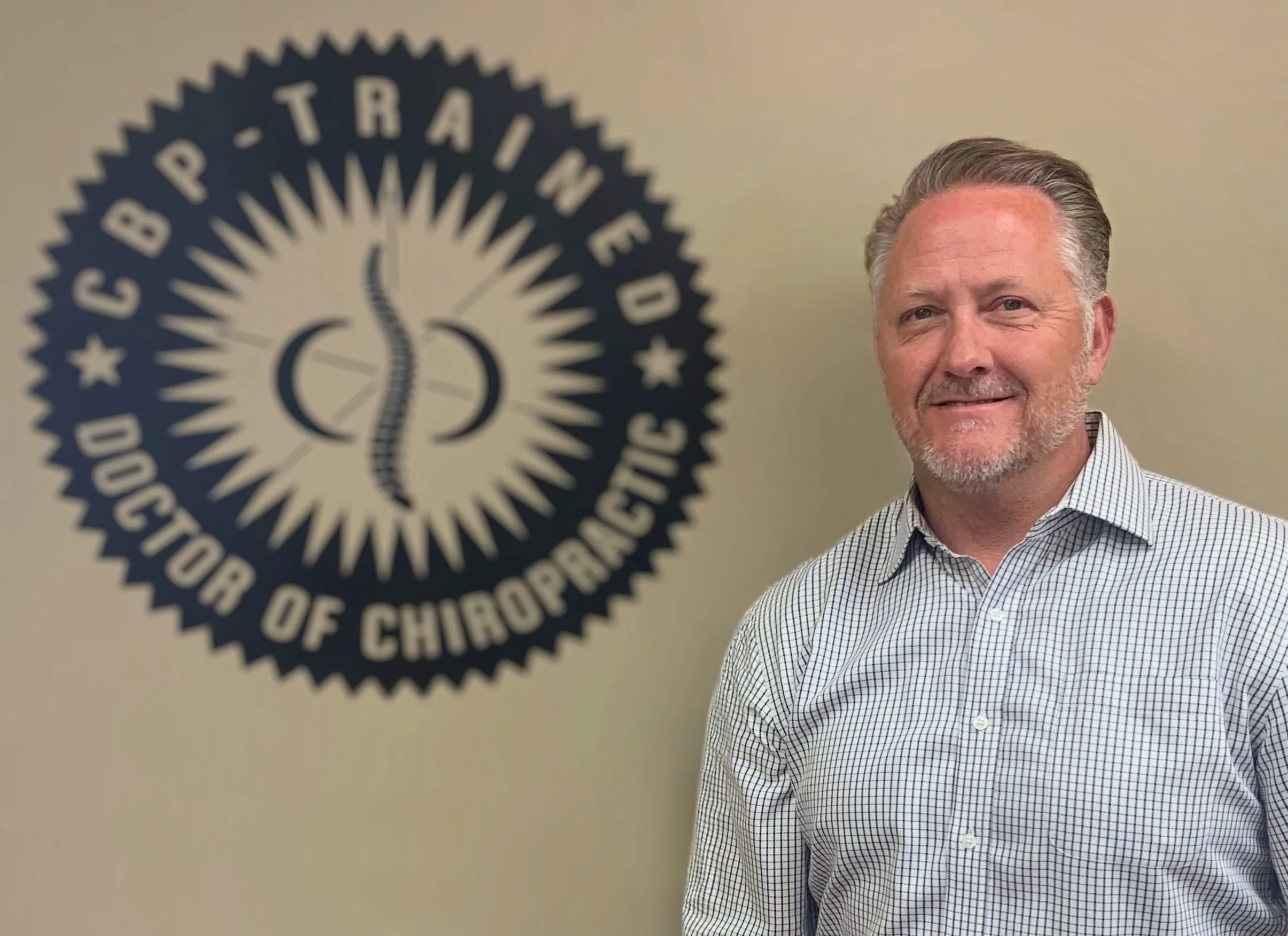
Medically Reviewed
The clinical information on this page has been reviewed and verified by Dr. Dirk Woodmansee, DC, an advanced certified Chiropractic BioPhysics (CBP) provider in clinical practice since 1997, with extensive experience in structural spinal rehabilitation.
Last Reviewed: September 2026 | Disclaimer
Related Services
Schedule an Evaluation in Murray
If you live in the Salt Lake Valley and are struggling with scoliosis, arm or leg numbness, or have been diagnosed with a spinal condition, contact Comprehensive Chiropractic Clinic to determine whether corrective CBP® care may be appropriate for your condition.
Conveniently Located in Murray, UT
Proudly serving patients from Salt Lake City, Holladay, Millcreek, Cottonwood Heights, Sandy, West Jordan, South Jordan, and surrounding Utah communities.