When the Spinal Canal Narrows
Spinal stenosis is a condition where the spaces within your spine narrow. This places immense pressure on the spinal cord and the nerves that travel through the spine to your arms and legs.
It is most commonly caused by wear-and-tear changes in the spine related to osteoarthritis, bone spurs, and degenerative disc disease. If you find yourself leaning forward on a shopping cart at the grocery store to relieve the pain in your legs, you are likely suffering from lumbar spinal stenosis.
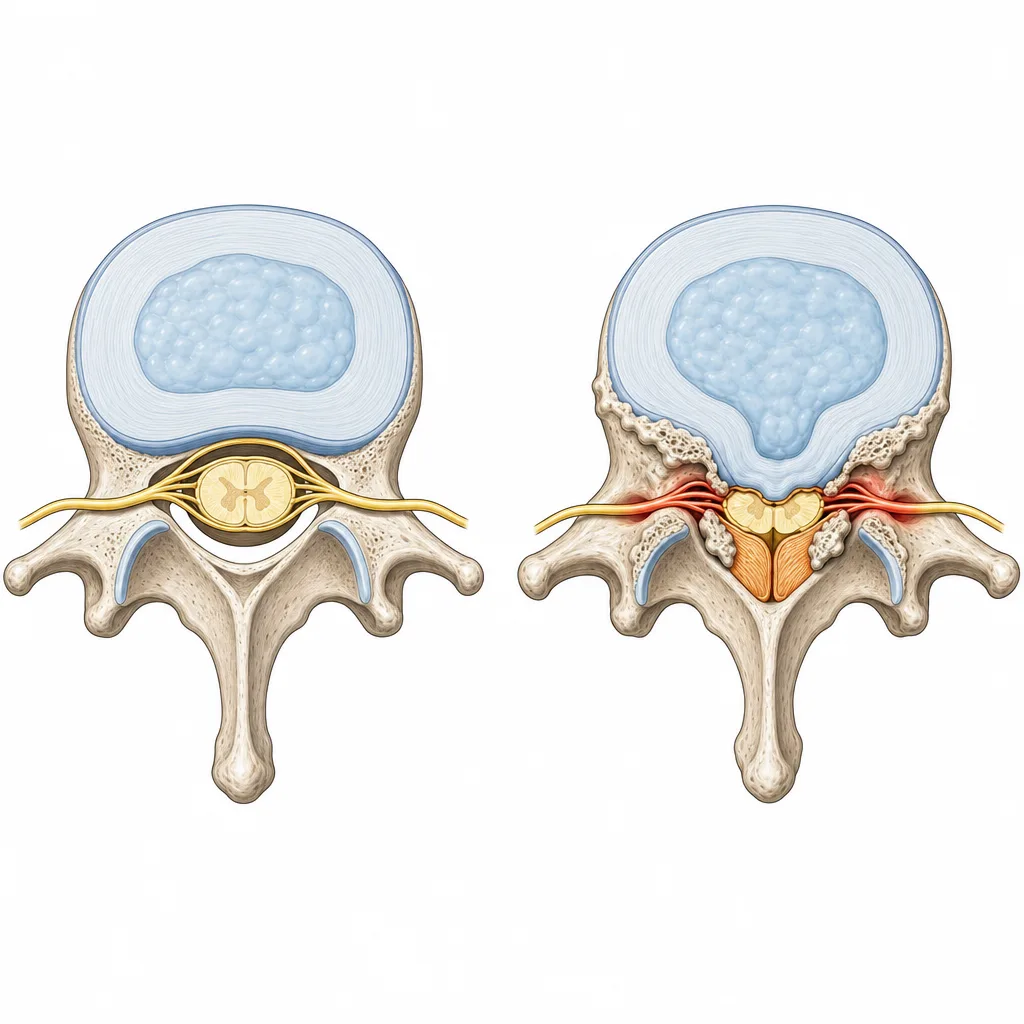
Top-down view of a spinal segment. On the left, the spinal cord (yellow) has plenty of room. On the right, bone spurs, a bulging disc, and thickened ligament (orange) squeeze the canal — compressing the cord and pinching the nerve roots (red). The narrower the canal becomes, the more severe the symptoms in your back and legs.
Our Non-Surgical Stenosis Protocol
Stenosis is a mechanical problem that requires a mechanical solution. We use a combination of advanced therapies to increase the space for your nerves:
- Spinal Decompression TherapySpinal decompression is incredibly effective for stenosis. It gently stretches the spine, opening up the narrowed foramen (where the nerves exit) and pulling bulging discs away from the canal.
- Structural Biomechanics (CBP)Using Chiropractic BioPhysics (CBP), we address the abnormal postures—like extreme loss of lumbar curve or forward head posture—that are forcing the bones to grind together and create the bone spurs causing the stenosis.
- Targeted AdjustmentsSpecific chiropractic adjustments restore motion to the stiff, arthritic joints surrounding the stenosis, reducing inflammation and improving overall function.
Related Conditions & Treatments
Clinical Evidence: What Spinal Stenosis Looks Like on X-Ray
Spinal stenosis occurs when the spinal canal narrows due to bone spurs, thickened ligaments, and collapsed disc spaces. Below is a clinical X-ray comparison illustrating the hallmarks of lumbar stenosis and the improvement achievable with structural rehabilitation.
Lumbar Spinal Stenosis: Before & After
The left image shows a narrowed spinal canal with reduced disc height and bone spur formation that compresses the nerves. The right image demonstrates increased canal space and improved alignment following non-surgical structural correction and spinal decompression therapy.

Medically Reviewed
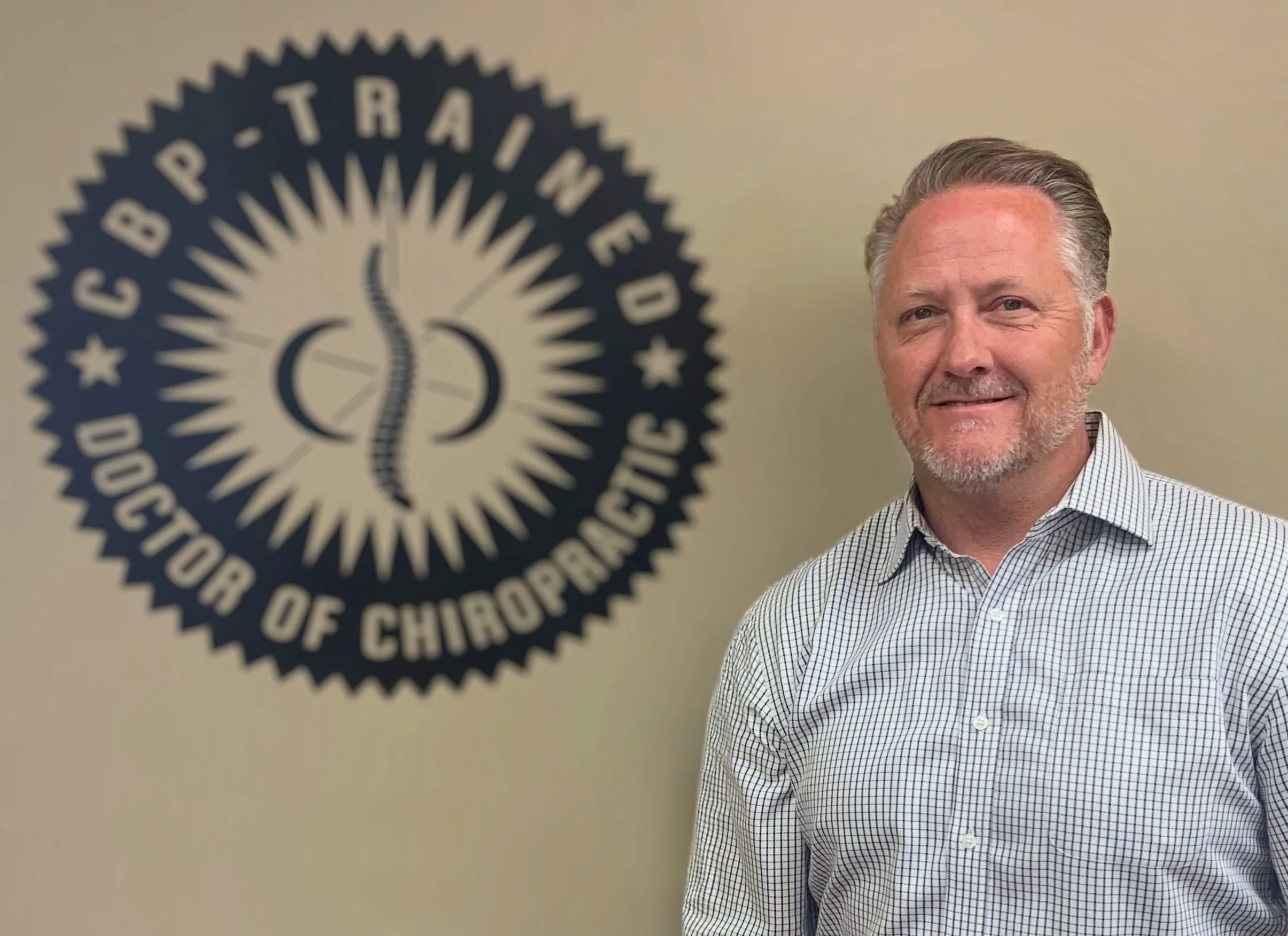
The clinical information on this page has been reviewed and verified by Dr. Dirk Woodmansee, DC, an advanced certified Chiropractic BioPhysics (CBP) provider in clinical practice since 1997, with extensive experience in structural spinal rehabilitation.
Last Reviewed: September 2026 | Disclaimer
Related Services
Schedule an Evaluation in Murray
If you live in the Salt Lake Valley and are struggling with spinal stenosis, arm or leg numbness, or have been diagnosed with a spinal condition, contact Comprehensive Chiropractic Clinic to determine whether corrective CBP® care may be appropriate for your condition.
Conveniently Located in Murray, UT
Proudly serving patients from Salt Lake City, Holladay, Millcreek, Cottonwood Heights, Sandy, West Jordan, South Jordan, and surrounding Utah communities.